
Weight Loss Tips Backed by Science (2025 Guide)
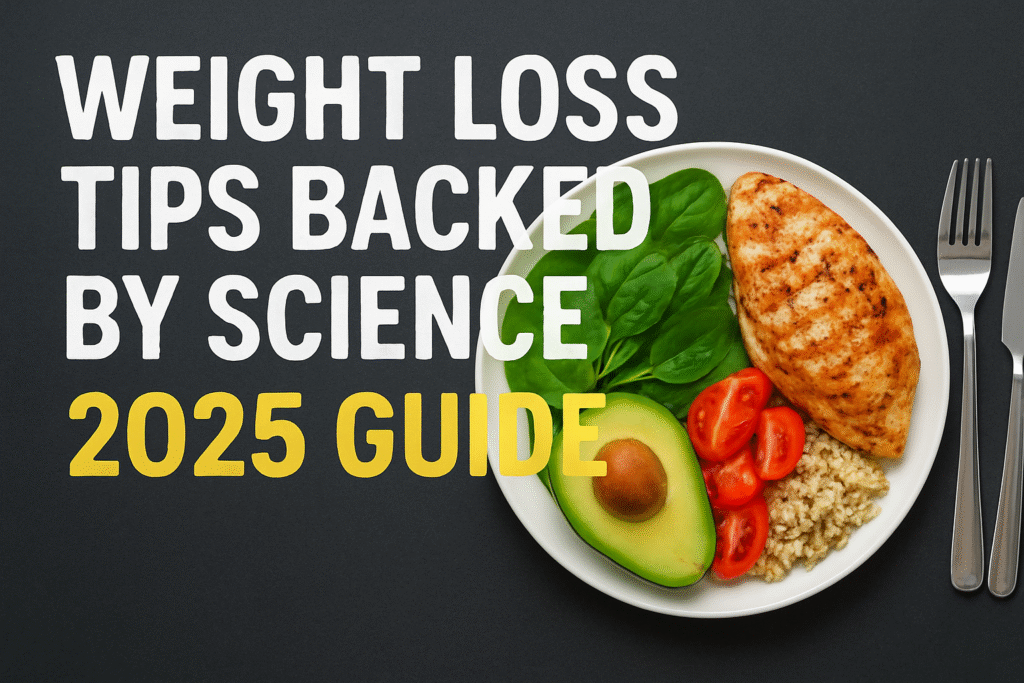
Losing weight in 2025 has become more evidence-based than ever. Instead of relying on extreme diets or unrealistic fitness trends, the most effective strategy still comes from understanding how your body works. This guide highlights science-backed weight loss tips that actually produce sustainable results.
Create a Calorie Deficit — The Foundation of Fat Loss
Every scientific study agrees: you lose weight only when you consume fewer calories than you burn. The easiest way to calculate your ideal intake is by using a Calorie Deficit Calculator like the one on our site. It helps you find your TDEE and set a safe, personalized deficit (usually 10–25%).
Boost Daily NEAT to Burn Extra Calories
NEAT (Non-Exercise Activity Thermogenesis) includes everyday movements like:
- walking
- cleaning
- climbing stairs
- standing more
Increasing NEAT can burn 200–600 extra calories daily without “exercise.”
Eat More Protein in Every Meal
Protein helps with:
- controlling hunger
- preserving muscle
- boosting metabolism
Aim for 0.8–1.2g protein per pound of body weight daily. Good sources: eggs, meat, fish, lentils, Greek yogurt, protein shakes.
Strength Training 3–4 Days a Week
Weight training:
- builds muscle
- increases daily calorie burn
- improves metabolism
- reduces fat regain
It’s more effective long-term than cardio alone.
Drink More Water — It Actually Helps
Research shows drinking water before meals increases fat loss by boosting fullness. Try:
- 1–2 glasses before meals
- replacing sugary drinks
- carrying a bottle daily
Sleep 7–9 Hours for Hormonal Balance
Lack of sleep increases hunger hormones (ghrelin) and reduces satiety hormones (leptin).
People sleeping less than 6 hours are 55% more likely to gain weight. Improve sleep by:
- keeping a fixed schedule
- avoiding screens before bed
- using a quiet, dark room
Manage Stress to Avoid Emotional Eating
High stress = high cortisol = more cravings and belly fat.
- meditation
- light exercises
- deep breathing
- going outdoors
Eat More High-Fiber Foods for Satiety
Fiber stabilizes blood sugar and keeps you full longer. Best sources:
- oats
- vegetables
- beans
- chia seeds
- fruits
Aim for 25–35g/day.
Avoid Liquid Calories
Liquid sugars are the fastest way to increase weight. Avoid:
- sodas
- sweet coffees
- juices
- milkshakes
Choose:
- water
- tea
- black coffee
- sparkling water
Stay Consistent — Not Perfect
Weight loss is not an all-or-nothing game. Even following your plan 70–80% of the time leads to great results. Track progress weekly and adjust your calories as needed.
FAQs
Q: What is the most effective way to lose weight in 2025?
The most effective method is maintaining a calorie deficit, increasing daily activity, strength training, and prioritizing protein, sleep, and stress management.
Q: How do I calculate my calorie deficit?
You can use a TDEE-based calorie deficit calculator like the one on free calorie deficit calculator to get accurate daily calorie target.
Q: Is strength training necessary for weight loss?
Yes, strength training builds muscle, boosts metabolism, and helps maintain long-term fat loss.
Q: Does drinking more water help with fat loss?
Yes, drinking water before meals increases fullness and supports better metabolism.
Q: How important is sleep for weight loss?
Sleep affects hunger hormones. Good sleep improves appetite control and supports faster fat loss.
Conclusion
Science continues to show that sustainable weight loss is based on simple, consistent habits. By focusing on calorie deficit, protein intake, sleep, daily activity, and strength training, you can achieve long-term fat loss safely and effectively. For accurate calorie targets, use our Calorie Deficit Calculator to create your personalized fat-loss plan.